What Is a Pet Taxi Service and Why You Need One
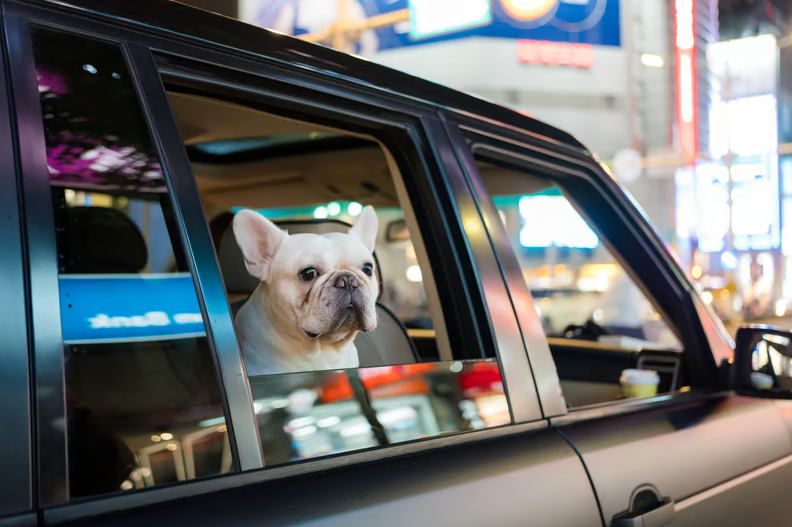
A pet taxi service is a specialist transport service for animals. It helps pet owners move dogs, cats, and other pets safely to vet appointments, grooming sessions, boarding facilities, airports, training centres, and new homes. It is not just a normal taxi that says yes to pets. It is transport planned around animal safety, hygiene, comfort, and control.
That distinction matters in the UK.
A lot of pet owners assume they can just book a cab when needed. Then the problems start. One driver refuses a dog. Another says only small pets in carriers. Another arrives and cancels after seeing pet hair, a crate, or a nervous animal. When your pet needs to get somewhere on time, that uncertainty is a problem.
That is why pet taxi services exist.
If you have ever searched what is a pet taxi, what is pet taxi service, or pet taxi UK, you are already asking the right question: is there a better, safer, more reliable way to travel with a pet than relying on a standard taxi? The answer is yes.
A proper pet taxi service removes the guesswork. It gives your pet a transport setup designed for animals, not one reluctantly adapted at the last minute.
What Is a Pet Taxi?
A pet taxi is a transport service made specifically for pets. It takes animals from one location to another with proper planning for safety, handling, cleanliness, and comfort.
That can include:
- Trips to the vet
- Emergency appointments
- Grooming visits
- Daycare and boarding drop-offs
- Airport transfers
- Pet relocation journeys
- Transport to trainers or behaviourists
- Journeys for elderly or injured pets
Some pet taxi services allow the owner to ride along. Others offer collection and drop-off without the owner, depending on the service and the pet's needs.
The main point is simple: a pet taxi is built around the animal, not around the convenience of a standard driver.
What Is Pet Taxi Service?
A pet taxi service is a specialist travel service that transports pets in a safer and more controlled way than a general taxi or ride-hailing car.
That means the service is expected to understand:
- How pets should be restrained
- How cats should be carried securely
- How nervous dogs behave in vehicles
- How to reduce travel stress
- How to keep the car clean between journeys
- How to manage pet pickups without confusion or delay
This is why a pet taxi service is not the same as "pet-friendly transport." A driver who simply agrees to let a dog sit in the back is not automatically offering a professional pet taxi service. A real service has a system.
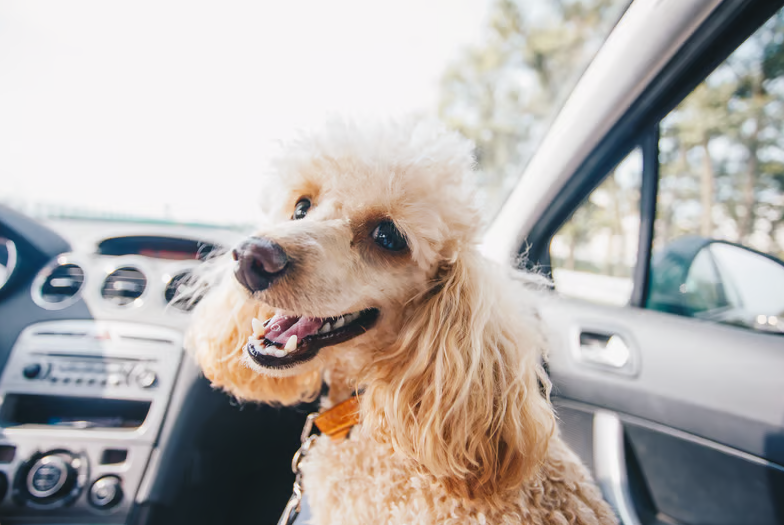
Why Normal Taxis Are Often Not Enough
This is where most pet owners get caught out.
A normal taxi is designed for human passengers. That means pet travel is treated as an exception. Sometimes the driver agrees. Sometimes they do not. Sometimes they agree until they see the size of the dog. Sometimes they refuse because they are worried about mess, smell, scratches, allergies, or time lost at pickup.
Even when they do accept the journey, the car may not be suitable. There may be no seat protection. No safe place for a carrier. No harness point. No room for a crate. No patience for a nervous animal.
That is a risk.
A cat should not be balanced on someone's lap for a long ride. A dog should not be free to move around the vehicle. A post-op pet should not be transported in a rushed or poorly managed way.
This is exactly why terms like taxi with pet seats, taxi with dog car seats, and taxi with cat seats matter. They reflect what owners actually want: not permission, but preparation.
Why You Need a Pet Taxi Service
You need a pet taxi service when your pet's journey needs to be safe, calm, and dependable. That includes far more situations than people expect.
Vet Appointments Become Easier
A pet needs a routine check-up, vaccination, scan, follow-up, or emergency visit. You do not want your transport plan to depend on whether a random driver feels comfortable with animals that day. A pet taxi removes that issue. When your pet is unwell, even a small transport delay feels huge. A specialist service cuts that friction.
It Reduces Stress for Your Pet
Pets notice everything. Sudden movements. Loud voices. Sharp braking. Heat. Strange smells. A rough journey can make a nervous pet even more distressed. Pet taxi services are often calmer because the trip is built around the pet's experience — especially for anxious dogs, rescue animals, cats that panic during travel, senior pets, or pets recovering from illness.
It Keeps the Journey Safer
Safety is the strongest reason to use a proper pet taxi. A pet moving freely around a vehicle is not safe. A frightened dog can jump forward. A cat can force open a weak carrier zip. Sudden braking can injure an unrestrained animal in seconds. A quality pet taxi service plans for restraint and stability.
It Helps If You Do Not Drive
If you do not own a car, pet transport becomes a real problem. Public transport may not suit the journey. Standard taxis may refuse. Friends and family may not always be available. A pet taxi service gives you independence — you can book pet transport without relying on favours or last-minute arrangements.
It Supports Busy Schedules
A pet taxi service saves time because it removes negotiation, cancellations, and uncertainty. Some services also offer collection and return, which makes routine care more manageable for busy households.
It Is Ideal for Airport Transfers
Airport transport with a pet needs more planning than a routine journey. You may have a crate, documents, pet supplies, your own luggage, and strict timing. A proper pet taxi UK service helps you organise space, timing, and pet-safe transport before travel day begins — whether you are going to the airport with your pet, collecting one, or arranging onward transport after arrival.
It Helps in Emergencies
A pet emergency is not the time to test whether local taxis are flexible. If your dog is injured or your cat suddenly becomes unwell, you need transport that is fast, calm, and pet-ready. A pet taxi service can make a stressful situation easier to manage because the vehicle and driver are already prepared.
What Makes a Real Pet Taxi Service Different?
A real pet taxi service is not just about allowing pets into a vehicle. It is about creating a safer transport process from booking to drop-off.
| Feature | Real Pet Taxi Service | Standard Taxi |
|---|---|---|
| Pet acceptance | Guaranteed at booking | Driver's discretion |
| Vehicle setup | Seat covers, harness points, crate space | No specific setup |
| Driver experience | Experienced with animal behaviour | No pet handling experience |
| Hygiene | Cleaned between journeys | Not pet-specific |
| Booking process | Pet details collected in advance | No pet-specific process |
| Reliability | Built for pet journeys | May refuse on the day |
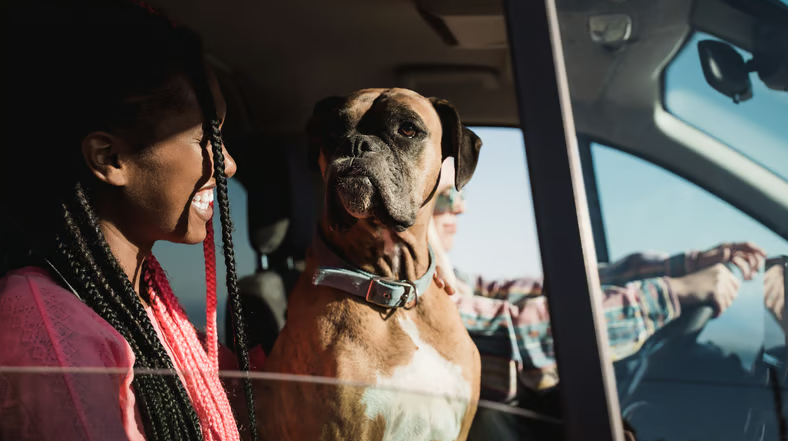
Taxi with Pet Seats: What Does That Actually Mean?
A lot of owners search for taxi with pet seats because they want reassurance that the vehicle is prepared properly.
In practice, it usually means the vehicle has a protected and controlled area for pet travel. That could include seat covers, barriers, tether points, or a dedicated travel space that prevents the pet from slipping, jumping, or damaging the interior.
It does not always mean a separate installed seat like a child car seat. It often means a practical, pet-safe setup designed to support cleaner and more secure transport.
The phrase matters because it signals preparation, not tolerance.
Taxi with Dog Car Seats: What Should You Expect?
When people search taxi with dog car seats, they usually want one of two things.
First, they want a vehicle that can safely secure a dog, especially a small or medium-sized dog, using a travel seat, harness attachment, or booster-style pet setup.
Second, they want proof that the dog will not simply be left loose in the back.
A proper dog-friendly taxi should be able to explain how the dog is expected to travel. That is the key question. If the answer is vague, the setup may not be safe enough. For larger dogs, the solution may be a crate area, guard system, or a secure back-seat arrangement with appropriate restraint.
Taxi with Cat Seats: What Matters for Cats?
People often search taxi with cat seats, but for cats the real concern is not a seat. It is secure, stable placement.
Cats should normally travel in a proper carrier. That carrier should be stable, ventilated, and placed somewhere it will not slide or tip during the ride. Cats are escape artists. A loose cat in a vehicle is dangerous for the cat, the driver, and everyone else in the car.
A cat-friendly taxi service understands that the goal is not to "seat" the cat like a person. The goal is to create the safest possible setup for the carrier and minimise stress during the journey.
Who Should Use a Pet Taxi Service?
A pet taxi service is useful for almost any pet owner, but it becomes especially valuable for:
- Owners without a car
- People living in cities
- Owners of large dogs
- Cat owners who struggle with taxi refusals
- Elderly owners
- Disabled pet owners
- Busy professionals
- People travelling to or from airports
- Owners with multiple pets
- Owners of senior, anxious, or recovering pets
In all of these situations, transport is not a tiny detail. It is part of the care plan.
How to Ensure My Airport Taxi Is Pet-Friendly
This is one of the smartest questions a pet owner can ask. If you are travelling with a pet, do not leave airport transport to chance.
- Book in advance. Last-minute bookings increase the chance of confusion and refusal. A planned booking gives you time to confirm the setup.
- Tell them exactly what pet you have. Say dog or cat, the size, whether the pet will be in a carrier or crate, and whether you are travelling with the pet.
- Confirm the vehicle size. Airport runs often involve luggage, a crate, documents, bedding, food, and personal bags. The vehicle must have room for everything without compromising the pet's safety.
- Ask how the pet will travel. Will the dog be harnessed? Is there crate space? Where will the cat carrier be placed? A genuine pet-friendly airport transfer should answer clearly.
- Check pickup and timing details. You want a service that understands terminal access, early departures, delayed arrivals, and the need for dependable pickup.
- Prepare your pet properly. Bring a familiar carrier or restraint system, carry water if appropriate, keep documents ready. Good transport works best when the owner is organised too.
If the company cannot explain how it handles pet airport transfers, it is safer to keep looking.
Why Pet Taxi UK Services Are Increasingly Important
The UK has a huge pet-owning population, but pet transport still creates daily friction.
A lot of people live in flats, city centres, suburban areas, or places where car ownership is not always practical. Many rely on taxis or trains. That works until a pet appointment appears. Then transport becomes complicated fast.
At the same time, pet care has become more specialised. Owners want better vet access, grooming, daycare, hydrotherapy, behavioural support, and long-distance transport. All of that increases the need for dependable pet travel.
That is why pet taxi UK is not a niche keyword by accident. It reflects a real and growing need.
How to Choose the Right Pet Taxi Service in the UK
Not every service that says "pet-friendly" offers the same standard. Ask these questions before booking:
- Do you transport both dogs and cats?
- Can the owner ride with the pet?
- How is the pet secured in the vehicle?
- Do you support crate or carrier transport?
- Can you handle large dogs?
- Do you provide airport transfers?
- Is the vehicle cleaned after journeys?
- What information do you need before pickup?
- Have you transported nervous or medical-needs pets before?
Strong services answer clearly. Weak services stay vague. The right provider should make you feel that pet transport is routine for them, not a favour.
When a Pet Taxi Is Essential, Not Optional
There are moments when using a standard taxi is simply not good enough.
- A cat coming home after surgery needs a stable, calm trip.
- A large dog going to an urgent appointment needs safe handling.
- A nervous rescue dog needs controlled transport.
- An airport transfer with a travel crate needs space and planning.
- A senior pet needs a smoother, less stressful journey.
In those moments, specialist transport is not a luxury. It is the right decision.
Pet Taxi: When You Need It Most
| Situation | Standard Taxi | Pet Taxi Service |
|---|---|---|
| Post-surgery vet return | May refuse or unsuitable | ✓ Calm, prepared setup |
| Emergency vet appointment | Unreliable acceptance | ✓ Fast, reliable booking |
| Airport transfer with pet | Luggage + pet often refused | ✓ Space and planning included |
| Large dog journey | Often declined | ✓ Appropriate vehicle arranged |
| Nervous or anxious pet | No handling experience | ✓ Calm, experienced driver |
| Owner without a car | Hit or miss | ✓ Dependable, bookable in advance |
Final Thoughts
So, what is a pet taxi service and why do you need one?
A pet taxi service is a specialist transport service for animals. It is designed to move pets safely, cleanly, and with less stress than a standard taxi. It solves a real problem for pet owners who need reliable transport for vet visits, grooming, boarding, emergencies, and airport transfers.
You need one because pets are not ordinary passengers.
They need secure travel. Calm handling. Clear planning. Proper space. Reliable acceptance. A normal taxi may offer none of that. A real pet taxi service is built around all of it.
For UK pet owners, that makes a big difference. It saves time, reduces stress, improves safety, and removes the uncertainty that comes with trying to fit a pet into a service that was never designed for one.
That is why pet taxi services are not just convenient. They are practical, professional, and increasingly essential.