What is an estate car?
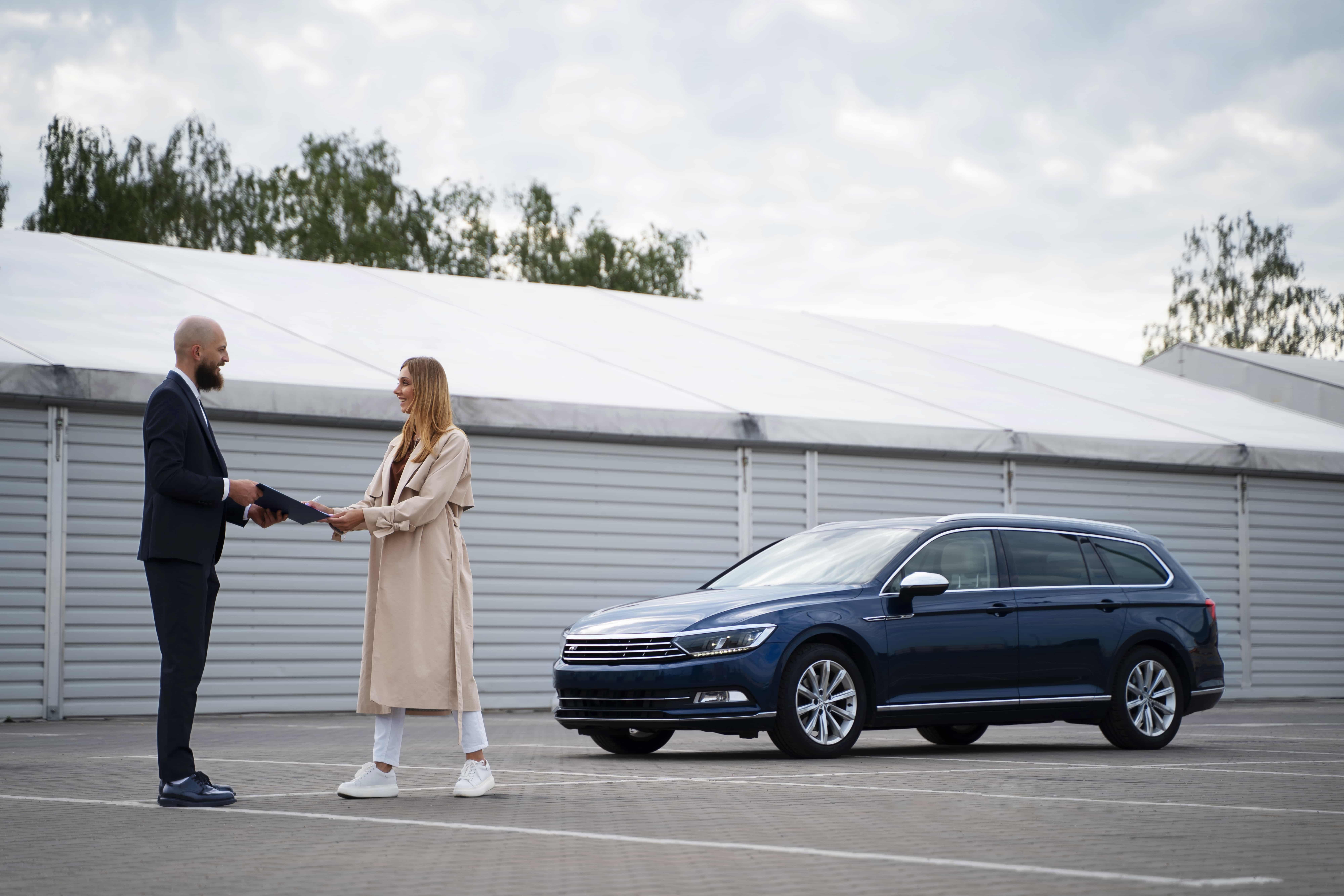
Table of Contents
Estate car 101: A lifelong shape
To put it simply, an estate car is a hatchback with a longer rear end. There is a lot more room for life's clutter, the roofline is longer, and the boot is bigger. An estate car's continuous interior layout makes it much simpler to load and unload large objects than a traditional saloon, which has a separate enclosed boot.
From a design standpoint, estate cars have a "two-box" shape, with one box housing the engine and another housing everything else. The distinctive flexibility of estate cars comes from this shared space between the passengers and cargo. A D-pillar behind the rear door is a common visual indicator that you're looking at an estate rather than a large hatchback.
Why estate cars are perfect for life in the UK?
Estate cars meet almost all of the needs of British families. An estate simplifies everything, including lengthy motorway trips, school runs, weekend getaways to the countryside, and assisting a friend with a move. The rear seats can be folded down to accommodate a variety of items, including bikes, tents, pushchairs, flat-pack furniture, and yes, even a double mattress. During festivals or camping excursions, some people even turn their estate cars into sleeping spaces.
Considerable features like hands-free powered tailgates that open with a foot wave are also included in newer models; these are perfect for situations where your arms are full of bags or wriggling toddlers.
Estate cars are frequently chosen because of their dependability on a daily basis, but that doesn't mean they're uninteresting. The classic estate has been transformed into something truly sleek and fashionable by brands like Audi, BMW, Jaguar, and Mercedes. Even more reasonably priced brands like Dacia, Hyundai, and Skoda have stylish exteriors, contemporary interiors, and ingenious storage options.
Estate cars can be beautiful in addition to being useful
A peculiar myth that has persisted since the boxy Volvo era of the 1980s is that estate cars are uninteresting and boxy. That's outdated thinking.
Sleek and fashionable, modern estates frequently share their foundations with high-performance or luxury sedans. Automobiles such as the Jaguar XF Sportbrake, BMW 3 Series Touring, and Audi A4 Avant are anything but ordinary. Everything you would anticipate from a luxury sedan is present, including luxurious interiors, soft seats, and gleaming dashboards, but with space for a double bed in the back.
Even low-cost models like the Hyundai i30 Tourer and Skoda Octavia have generous features and clever looks without the premium price tag.
Station waggon or estate car?
Different countries, different names. What the UK calls an “estate car,” Americans refer to as a “station wagon.” Aussies just say “wagon,” while Germans prefer “Kombi,” and Russians go with “universal.” The concept is the same regardless of the name: it's a vehicle that falls somewhere between a car and a van.
Indeed, try using "station waggon" in your search terms if you ever want to look for estate cars online and want a broader selection. There are probably more models that aren't always identified by their UK names.

How does it stack up against a hatchback or SUV?
Hatchbacks are very popular in the UK, and for good reason, they're small, reasonably priced, and simple to park. However, when life becomes a little more demanding, they may begin to feel constrained.
Between hatchbacks and SUVs, estate cars offer a compromise. They are more fuel-efficient than taller SUVs, drive like regular cars, and are lower to the ground, making it easier to load heavy objects. Despite their smaller appearance, they also typically have more usable boot space than many compact SUVs.
Estates win on efficiency, road handling, and refinement, while SUVs win on height and off-road style. The estate is the quiet achiever if you want a car that can be used for many things without feeling heavy.
Efficiency, comfort, and safety
The ability of estate cars to strike a balance between comfort and safety is one of their underappreciated advantages. They inherit high safety ratings and stability because they are frequently constructed on the same platforms as hatchbacks or saloons. Families can drive with confidence because they're in a reliable, well-made car.
It also has surprisingly good fuel economy. With their excellent miles per gallon (MPG), many diesel estates are ideal for lengthy trips throughout the United Kingdom. An estate controls fuel prices whether you're travelling to Wales, Cornwall, or the Lake District.
Not to be overlooked is the driver's experience. The interior of estate cars is roomy and frequently has more headroom and legroom than cars of a similar size. High-end models also have panoramic roofs, heated seats, sophisticated infotainment systems, and luxurious interiors, everything you need for a comfortable, stress-free ride.
Are there drawbacks?
Naturally, estate cars aren't perfect. It can be a little challenging to find parking in confined areas, particularly in older town centres or on narrow terraced streets. However, to help, the majority of contemporary estates have parking sensors, reversing cameras, and even auto-parking systems.
Despite their size, estate cars usually only have room for five passengers, which is another drawback. They don't have a third row like some MPVs or big SUVs do. Cargo, not passengers, takes up all that extra room.
Unless you're looking at high-performance models like the BMW M5 Touring or Audi RS6 Avant, they're also not designed for speed. The majority of estate cars tend to drive smoothly and steadily, which is perfect for daily use but not particularly exhilarating on a racecourse.
The top estate Cars on UK roads

There are many excellent estate cars available in the UK market, whether you're leasing, purchasing a new vehicle, or searching for a used one. Here are some well-known names to think about:
- Skoda Octavia & Superb: spacious, affordable, and well-built
- Audi A4 Avant: premium comfort and crisp styling
- BMW 3 Series Touring: sporty handling with a luxurious feel
- Volvo V60 & V90: practical and safety-focused with Scandinavian flair
- Mercedes-Benz E-Class Estate: elegant, smooth, and ideal for long-distance driving
- Hyundai i30 Tourer: budget-friendly and well-equipped
- Mazda 6 Tourer: stylish and driver-focused
- Fiat Tipo Station Wagon: affordable with a surprising amount of room
- MG5 EV: one of the first electric estate cars in the UK
- Jaguar XF Sportbrake: blends British luxury with estate practicality
The quiet charm of estate Cars
Driving an estate has a subtly fulfilling quality. They make daily life easier, but they don't shout for attention. An estate car delivers without causing any drama, whether it's a big family vacation, a muddy football weekend with the kids, or a quick trip to B&Q.
They are designed for people who don't care about gaudy trends, have things to carry, and have places to go. Estate cars continue to quietly win hearts with their usefulness, comfort, and affordability in a time when large SUVs make the news.
Are you prepared for a comfortable ride?
Transfers 247 provides dependable, cosy estate cars that are ideal for long-distance travel, day trips, and airport runs if you're in Manchester and want to reserve a ride. We have the space you require, whether you're travelling alone or with family.
Get in touch with Transfers 247 right now to experience the roomy, comfortable ride that only an estate car can provide.